


Section 80D Deductions
Section 80D allows tax deductions on premiums paid for health insurance for self, family, and parents. It encourages individuals to invest in health coverage while reducing their taxable income, making health insurance both a protective and tax-saving tool.
Network of 10,000+ cashless Hospitalisation
30 Mins Cashless Claim Policy
2 Crore+ Happy customers
Start your Health cover
With Niva Bupa Today!
Rated by mint as India's Best Health Insurer 2024
Why Choose Niva Bupa?
Trusted by over 2 crore+ happy customers, Niva Bupa provides a wide range of health insurance plans to suit every need

30 min
Cashless Claim Processing 1


15 Lakh+
Claims paid since inception 2

2 Crore+
Happy customers served till date
Custom Health Insurance Plans designed for You

A plan that rewards you for starting young
Starts from
₹5,9241
Annual Premium
₹5,00,000
Sum Insured
- Lock the age, pay premiums as per entry age till you claim
- Don’t lose what you don’t use. Carry forward the balance sum insured
- Maternity coverage including IVF, Adoption and more
- Use and get back your base coverage. Unlimited times and forever

A Truly Unlimited health insurance plan.
Starts from
₹9,5132
Annual Premium
UNLIMITED
Sum Insured
- Go LIMITLESS. Now your sum insured has no Limits
- Get Day 1 coverage for Pre-Existing Disease
- NivaBupaOne gives you access to Executive Health Assessment, Priority Claims, and Dedicated Support Services
- Go Borderless and get treatment anywhere in the world.

A Health Insurance Plan that works your way
Starts from
₹4,2843
Annual Premium
₹5,00,000
Sum Insured
- Pay Apne Hisaab se! Flexible or One Time. Sooner the payment, higher the discount
- Get 50% of your premium back, accumulate it, and even get 10% bonus for life. No waiting periods or exclusions on this amount.
- Get ₹5,000, if treatment taken in any Govt. hospital and claim not paid under this policy
- Access unlimited digital consultations with general physicians through our mobile app.

A comprehensive health insurance plan,with coverage for you and your family according to your needs and lifestyle.
Starts from
₹7,1114
Annual Premium
₹5,00,000
Sum Insured
- Comprehensive coverage up to ₹3 Cr
- In-built travel insurance coverage for multiple trips in a year
- Modern Treatments coverage
- Maternity (worldwide) and new born baby cover

The Smart Health Insurance Plan with Smart Feature to keep your family protected
Starts from
₹8,2075
Annual Premium
₹5,00,000
Sum Insured
- No Room Rent Capping
- Modern Treatments Covered up to Sum Insured
- Hospitalisations of 2 hours or more covered
- One time refill of Base Sum Insured, even for same illness.






Quick Links

Network Hospital
Find hospitals near you that are covered under our insurance network for hassle-free cashless treatment

Family Health Insurance
Get comprehensive coverage for your entire family under a single health insurance plan.

Claim Settlement Ratio
Check our track record for successfully settled claims, ensuring peace of mind when you need it most.

Premium Calculator
Calculate your insurance premium easily to choose a plan that fits your budget.

Best Insurance Plans
Explore our top-rated insurance plans that offer extensive benefits for various healthcare needs.
How does Our Claim Process work?
Get to know the steps involved in the claim Process, Whether it is a planned or emergency hospitalisation. Filling a claim is made easy by choosing any of the following ways:



Hospital Admission:
Get admitted to a Niva Bupa network hospital.
Identification:
Present your Niva Bupa Health Card or policy number along with valid ID (Passport/PAN card/Voter’s ID) to the hospital staff.
Pre-authorisation:
The hospital will verify your details and submit a pre-authorisation request to Niva Bupa.
Niva Bupa Confirmation:
After verification, Niva Bupa will confirm coverage to the hospital via fax and email, and notify you by text and email, typically within 30 minutes of the request.
Final Settlement:
Upon completion of treatment and necessary formalities, the hospital will settle the claim with Niva Bupa according to your policy terms.
Benefits of Section 80D
Understanding the practical advantages of Section 80D (Section 126) helps you optimise your financial portfolio. It acts as both a protective tool and an immediate tax-saving measure.
- Deductions on Family Premiums You can reduce your taxable income by claiming deductions on health insurance premiums paid for yourself, your spouse, and dependent children. This benefit provides a financial incentive to secure comprehensive medical coverage for your immediate household.
- Additional Cover for Parents An extra deduction is available for health insurance premiums paid specifically for your parents, whether they are dependent on you or not. This allows you to protect your parents' health while simultaneously maximising your overall tax savings.
- Enhanced Limits for Senior Citizens The deduction threshold increases from ₹25,000 to ₹50,000 when insuring individuals aged 60 and above. This higher limit accommodates the rising cost of healthcare and insurance premiums for elderly family members.
- Preventive Health Check-up Benefit You can claim a sub-deduction of up to ₹5,000 for routine medical check-ups conducted for your family or parents. Unlike standard premiums, this specific benefit can be claimed even if the expenses were paid in cash.
- Medical Expense Relief for Senior Citizens If your senior citizen parents do not have health insurance, you can claim deductions for their actual out-of-pocket medical expenses. This ensures financial relief for treatments, consultations, and medicines up to a limit of ₹5,000.
Optimising your annual tax outgoings while securing a reliable medical safety net is a critical step in long-term financial planning. India’s tax framework offers powerful incentives for health insurance investments, allowing you to legally protect your family's personal wealth from rising hospitalisation costs while lowering your overall net taxable income.
What is Section 80D of the Income Tax Act?
Section 80D of the Income Tax Act, 1961, is the primary tax-saving provision designed to encourage individuals and Hindu Undivided Families (HUFs) to invest in health insurance. By allowing you to claim deductions on health insurance premiums from your gross total income, it effectively reduces your annual income tax outgoings.
Under the restructured Income Tax Act, 2025, this foundational clause has been renumbered as Section 126. While the section number has changed under this new drafting framework, the core benefits, rules, and financial thresholds remain identical. Utilising Section 80D (Section 126) provides a double benefit: it shields your savings from unpredictable medical emergencies and simultaneously lowers your net tax liability.
Who Is Eligible for Tax Deduction under Section 80D?
The tax benefits under Section 80D (Section 126) are targeted specifically at individuals and closely knit family entities rather than corporate structures.
- Individual Taxpayers: Any individual taxpayer can claim this deduction. This broad category encompasses resident Indians, non-resident Indians (NRIs), salaried employees, self-employed businessmen, professionals, and retired senior citizens. The individual can claim relief on policies protecting themselves, their legally wedded spouse, dependent children, and their parents.
- Hindu Undivided Families (HUFs): A Hindu Undivided Family is recognised as a distinct legal entity under Indian tax laws. Under Section 126(5), a HUF can claim a deduction for health insurance premiums paid out of its collective funds to cover any member of that specific HUF.
Eligible vs Ineligible Category Matrix
It is vital to recognise which entities are barred from using this provision. Even if they actively provide comprehensive corporate medical insurance for their workforces, certain entities cannot claim deductions under this clause.
Furthermore, individuals cannot claim deductions for any premium paid on behalf of extended family relatives. This means payments for siblings, independent adult children, grandparents, uncles, aunts, or in-laws do not qualify for tax deductions under this section.
What Deductions Are Allowed Under Section 80D?
The scope of Section 80D (Section 126) is extensive, moving far beyond basic commercial medical insurance. The tax code recognises that comprehensive healthcare involves multiple modes of expenditure, all of which contribute towards minimising personal financial risk.
Maximum Deduction in Section 80D
The quantum of deduction you are allowed to claim every financial year under Section 80D (Section 126) is strictly regulated. It is determined by the age of the individuals covered by the policy. The tax department categorises the total limits into two distinct buckets: one for your immediate nuclear family (self, spouse, and dependent children) and another separate bucket for your parents.
Threshold Breakdown Based on Age Matrix
The base deduction limit for individuals under the age of 60 is set at ₹25,000. However, when the policy covers a senior citizen (aged 60 years or above), the threshold increases to ₹50,000 to offset the higher premiums typically charged to elderly citizens.
Understanding the Cumulative Potential
As illustrated by Case C, the maximum tax deduction can reach ₹1,00,000 per financial year. This is highly beneficial for multi-generational families where the primary breadwinner has reached the age of 60 and continues to fund the health requirements of even older parents.
Can Medical Expenses Be Claimed Under Section 80D?
A common problem faced by taxpayers is getting insurance for very old parents. Many commercial insurance providers either deny coverage for senior citizens with advanced pre-existing conditions or charge high premiums with extensive co-payment clauses.
To address this, Section 126(7) includes a specific relief clause. If your senior citizen parents (aged 60 years or older) do not have a standard health insurance policy, the government allows you to claim their actual medical expenses directly as a tax deduction.
Medical Expense Framework Based on Insurance Status
The following framework determines how healthcare costs are processed depending entirely on whether an insurance cover is active:
Legal Operational Rules for Medical Expenses
- The Core Limitation: You can claim up to a maximum of ₹50,000 for direct healthcare costs incurred for senior parents.
- The Absolute Exclusion Pre-Condition: This deduction is only valid if no health insurance policy is active for that senior individual. You cannot claim both insurance premiums and direct medical treatments simultaneously for the same person under this sub-clause.
- Scope of Expenses: The law covers genuine health-related outgoings. This includes critical hospital bill statements, cost of chronic disease medications, regular doctor fees, surgical intervention expenses, and medical device installations like pacemakers or hearing aids.
Mode of Payments Allowed for Deductions under Section 80D
The Income Tax Department enforces strict rules on the channels used to pay these bills. These rules prevent taxpayers from retroactively generating cash receipts to falsify claims during filing. Under Section 126(9), the law splits the payment rules into two clear, non-negotiable categories:
Banking and Digital Channels (Mandatory for Premiums)
All insurance premiums, top-up payments, and contributions to government health funds must be executed via tracking mechanisms. Cash transactions for these items are completely disallowed.
The Special Cash Exception for Preventive Health Check-ups
The only exception to the strict digital payment rule applies to preventive health check-ups. The law recognises that small clinics or diagnostic laboratories in rural areas may sometimes require physical currency. Consequently, cash payments up to ₹5,000 for preventive screenings are legally valid and can be claimed for tax deductions.
How to Claim Deduction Under Section 80D?
Claiming your Section 80D (Section 126) deduction requires accurate record-keeping during the financial year and correct presentation when filing your Income Tax Return (ITR).
Actionable Filing Roadmap
Other Health-Related Deductions
Section 80D (Section 126) handles standard medical premiums and general healthcare checks. However, the Income Tax Act includes other distinct sections designed for specialised health situations. These operate independently of Section 126 limits.
Documents Required to Avail of Tax Benefits under Section 80D
India operates a trust-based self-assessment ITR filing system. This means you do not need to scan or upload physical documents to the government server when submitting your return. However, if your return is selected for automated scrutiny or a manual audit, you must present valid documentation to the assessing officer.
You must securely store the following documents for at least six years from the end of the relevant assessment year:
- The Primary Policy Schedule: The official document issued by the insurance underwriting firm, clearly stating the policy start and end dates, the premium breakdown, and the legal names, relations, and ages of all individuals covered.
- The Section 80D/Section 126 Tax Certificate: A one-page statement provided by the insurer that separates the core deductible premium from non-eligible components like processing fees or GST.
- Digital Bank Account Statements: Bank passbook printouts, credit card statements, or UPI transaction history logs that prove the premium was paid through digital channels, matching the insurer's receipt.
- Diagnostic Invoices: Original bills from registered pathology clinics or hospitals for preventive check-ups, showing the name of the patient.
- Itemised Pharmacy and Medical Bills: When claiming direct medical expenses for uninsured senior parents, you must keep all pharmacy receipts, physician prescriptions, clinic consultation slips, and hospital discharge summaries to prove the validity of the treatment.
Section 80D vs 80C
Many citizens confuse Section 80C and Section 80D (Section 126), often grouping them together. However, they serve completely different purposes in financial planning and operate under entirely independent limit structures.
What Are the Exclusions under Section 80D?
To keep your tax filings accurate, it is important to understand what is excluded from Section 80D (Section 126). Misclaiming ineligible expenses can lead to automated tax notices and demands for back-taxes.
- Extended Family Relations: You cannot claim deductions for premiums paid for relatives outside your immediate nuclear family and parents. This means policies bought for brothers, sisters, grandparents, aunts, uncles, cousins, or in-laws are fully excluded, even if they live in your household and rely on you financially.
- Group Health Insurance Paid by Employers: If your company pays the entire premium for a group health insurance policy as a corporate benefit, you cannot claim any deduction. However, if your employer offers a voluntary top-up option where the extra premium is deducted directly from your monthly salary, you can claim a deduction for that specific deducted portion.
- Lump-Sum Multi-Year Policies: Several insurance companies offer discounts if you pay for two or three years of coverage upfront in a single lump sum. You cannot claim the full multi-year payment in the first financial year. Under Section 126(8)(b), you must split the total payment proportionally across the years of the policy term.
Multi-Year Premium Amortisation Schedule
If you pay a lump sum premium of ₹60,000 upfront for a three-year health insurance policy, your tax deduction must be claimed across the policy tenure as follows:
Conclusion
Section 80D, moving forward as Section 126 under the modern Income Tax Act, 2025, remains an essential part of personal financial planning in India. It successfully bridges the gap between smart tax optimisation and sensible health management. Medical emergencies are unpredictable and can quickly drain a family's savings due to rising hospital costs.
By understanding the age criteria, using digital payment channels, and leveraging options like preventive health check-ups and senior medical expense provisions, you can build a strong safety net for your family. At the same time, you reduce your net taxable income, allowing you to maximise your annual savings and protect your long-term financial health.
Frequently Asked Questions
Can I claim a deduction if I pay the health insurance premium for my working children?
No. Section 126 explicitly states that deductions can only be claimed for dependent children. If your children are employed, earning an independent income, and no longer financially dependent on you, any premium paid on their behalf is excluded from your tax benefits.
Can a resident individual claim deductions for a health insurance policy bought from a foreign insurance company?
No. To qualify for a deduction under Section 126(11), the health insurance policy must be approved either by the General Insurance Corporation of India (GIC) or by the Insurance Regulatory and Development Authority of India (IRDAI). Policies bought from unapproved foreign insurance companies operating outside Indian jurisdictions are ineligible.
My company deducts a health insurance premium from my monthly salary. Can I claim this under Section 126?
Yes. If your company pays for a group health insurance policy and deducts your specific premium contribution directly from your pre-tax salary, that deducted portion is eligible for a tax claim. Ensure your company lists this deduction clearly on your Form 16.
Are premiums paid for personal accident policies eligible for tax benefits under this section?
No. Standard personal accident policies, which pay out a lump sum only in the event of accidental death or permanent disability, do not qualify as health insurance under Section 80D or Section 126. Only policies that cover medical hospitalisations, illnesses, or health-related riders are eligible.
Can I claim the preventive health check-up deduction of ₹5,000 over and above the ₹25,000 limit?
No. The ₹5,000 preventive health check-up allowance is a sub-limit within the overall caps. For instance, if you pay an insurance premium of ₹22,000 for your family, you can claim up to ₹3,000 for preventive check-ups, bringing the total claim to the maximum allowed limit of ₹25,000.


People Also Ask
Our Satisfied
Customers
Watch what our customers are saying. REAL STORIES with REAL IMPACT!

Vippan Kapur
It is unbelievable how Niva Bupa claim team came to my aid, Monday to Sunday no day off.

Meenakshi Khanna
Within few hours we got the claim number and in the next three days the amount was reflected in our bank account.
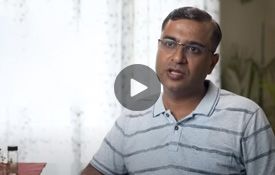
Vijay Kapoor
With the help of Niva Bupa Health Insurance, I was able to get my son treated without worrying about the high medical cost.

Diviay Chadha
Whenever we have filed for a claim with Niva Bupa, the process was very smooth and people were very helpful.

Parveen Singh
The Niva Bupa team was extremely helpful, be it day or night, someone was always available.



www.nivabupa.com

+91 11 30902010

1860-500-8888

CIN: L66000DL2008PLC182918
IRDAI Registration No. 145

Corporate Office: 3rd Floor, Capital Cyberscape, Sector 59, Gurgaon
Registered Office: C-98, First Floor, Lajpat Nagar, Part 1, Delhi-110024, India


